
 Upholstered furniture
 Sofas
 Corner sofas
 Sofa beds
 Armchairs
 U-shaped corner sofas
 Modular upholstered furniture
 Chesterfield furniture
 Chaise longues
 Upholstered benches
 Ottomans
 Recliners
 Storage furniture
 Chests of drawers
 Bookcases
 Sideboards
 Wardrobes
 TV stands
 Wall shelves
 Hallway sets
 Shoe storage
 Bedside tables
 Under-desk drawer units
 Kitchen sets
 Home office sets
 Bathroom sets
 Tables and chairs
 Tables
 Coffee tables
 Console tables
 Bar tables
 Desks
 Corner desks
 Chairs
 Bar stools
 Counter stools
 Office chairs
 Beds
 Beds
 Double beds
 Single beds
 Continental beds
 Wall beds
 Bunk beds
 Mattresses
 Bed slats
 Storage beds
 Beds with mattress
 Furniture sets
 Children's room sets
 Outdoor furniture sets
 Living room sets
 All furniture
 All living room furniture
 Sofa beds
 Armchairs
 Bean bags
 All upholstered furniture
 Dressing tables
 All bedroom furniture
 Modular kitchen cabinets
 Kitchen corners
 All kitchen and dining furniture
 Coat racks
 All hallway furniture
 Height-adjustable desks
 All home office furniture
 Bathroom cabinets
 Bathroom shelves
 All bathroom furniture
 Beds
 Wardrobes
 Desks
 Chairs
 Children's room cabinets
 Bedside tables
 All children's furniture
Long-lasting interior design for a child's room: from first steps to adolescence
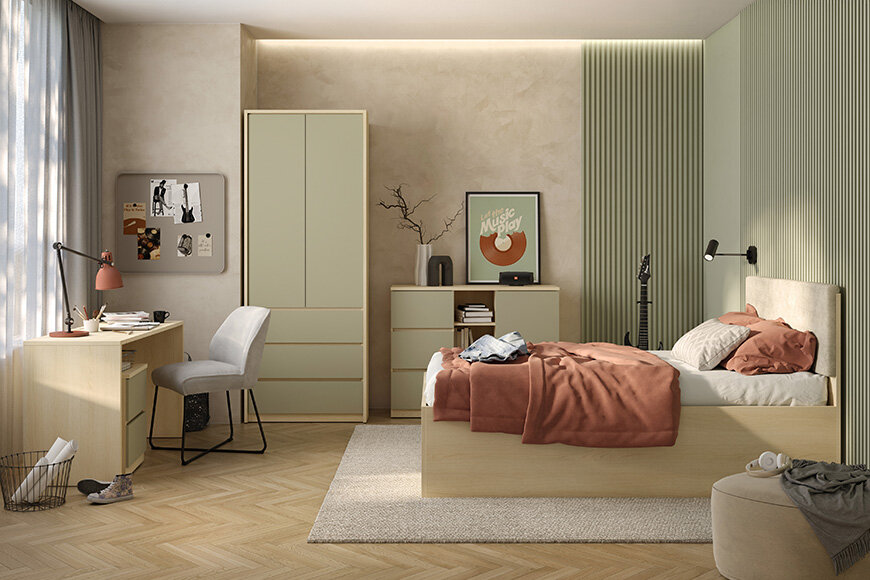
Planning a children's room is a real challenge, because a relatively small space must accommodate several essential areas: relaxation, learning and storage. In addition, it is often desirable to supplement them with a play area or hobby corner, so each piece of furniture and its function must be very well thought out. We invite you to familiarise yourself with our practical tips. By following them, you will be able to furnish a room that will remain functional and stylish even as your child's needs change.
A space that reveals itself through details
When furnishing a room for little ones, it is tempting to choose a specific theme: wallpaper with fairies or cars, rugs with jungle inhabitants, and similar accents. However, this is rarely a long-term solution. When a child reaches 3–4 years old, their preferences shift, making calmer tones and more versatile furniture a much wiser choice for the long run.
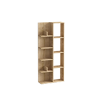
Remember that it is the toys and personal items themselves, rather than permanent interior structures, that should bring colour to the decor. For this reason, open shelves are a highly recommended storage solution. They can display building blocks, soft toys or other favourite items that bring character to the room. Over the years, toys will naturally give way to books, board games or photos of friends, while the furniture itself remains useful and stylish.
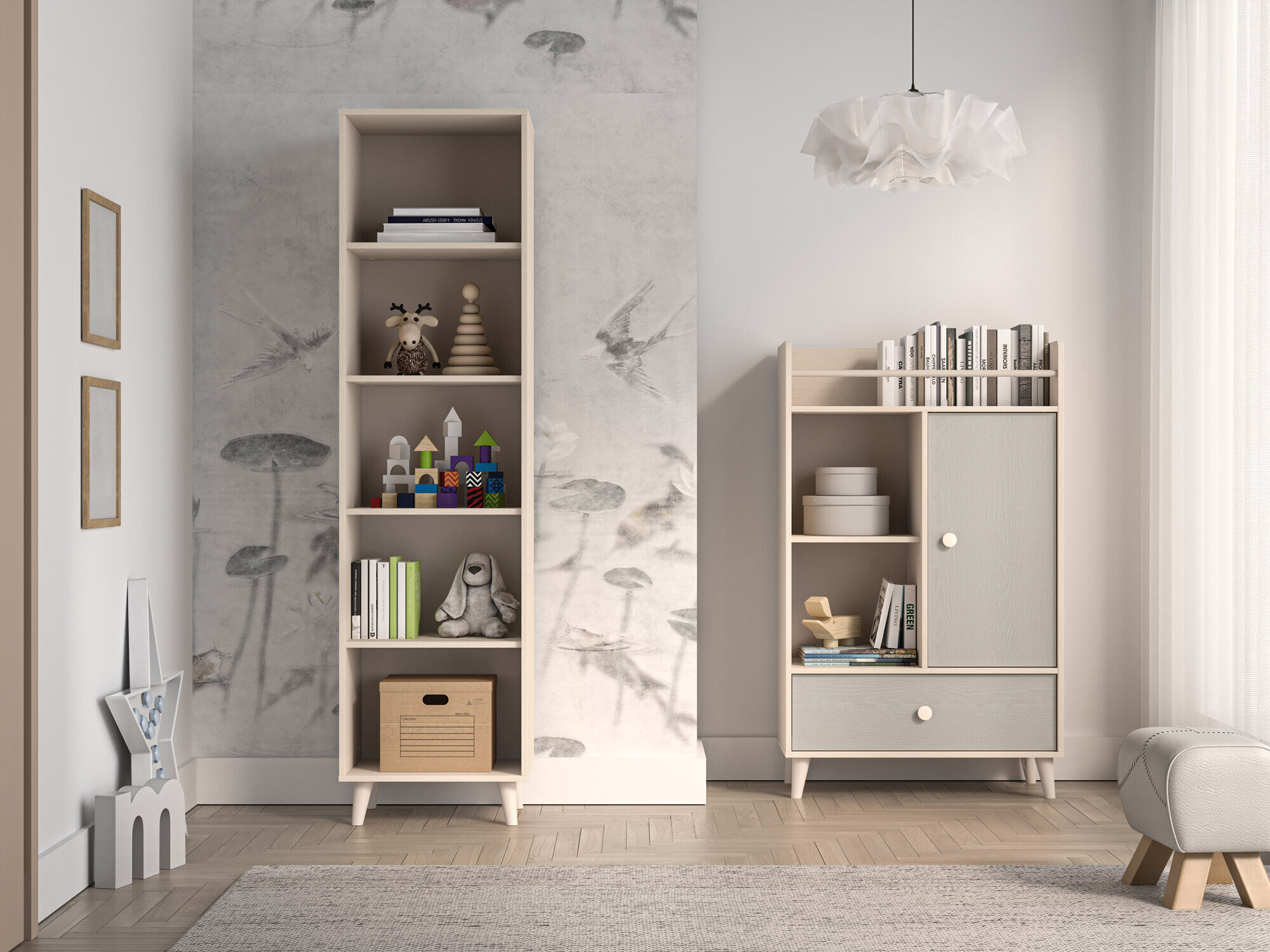
View shelves
Multiple personalities in one room
An additional challenge arises when siblings share a room. Different interests, desires and daily habits must merge into a harmonious space where each child still feels unique. To achieve this, we recommend choosing furniture of the same style and materials for both personal areas. When colours and textures are repeated throughout the room, the space immediately looks less cluttered and more aesthetically pleasing.
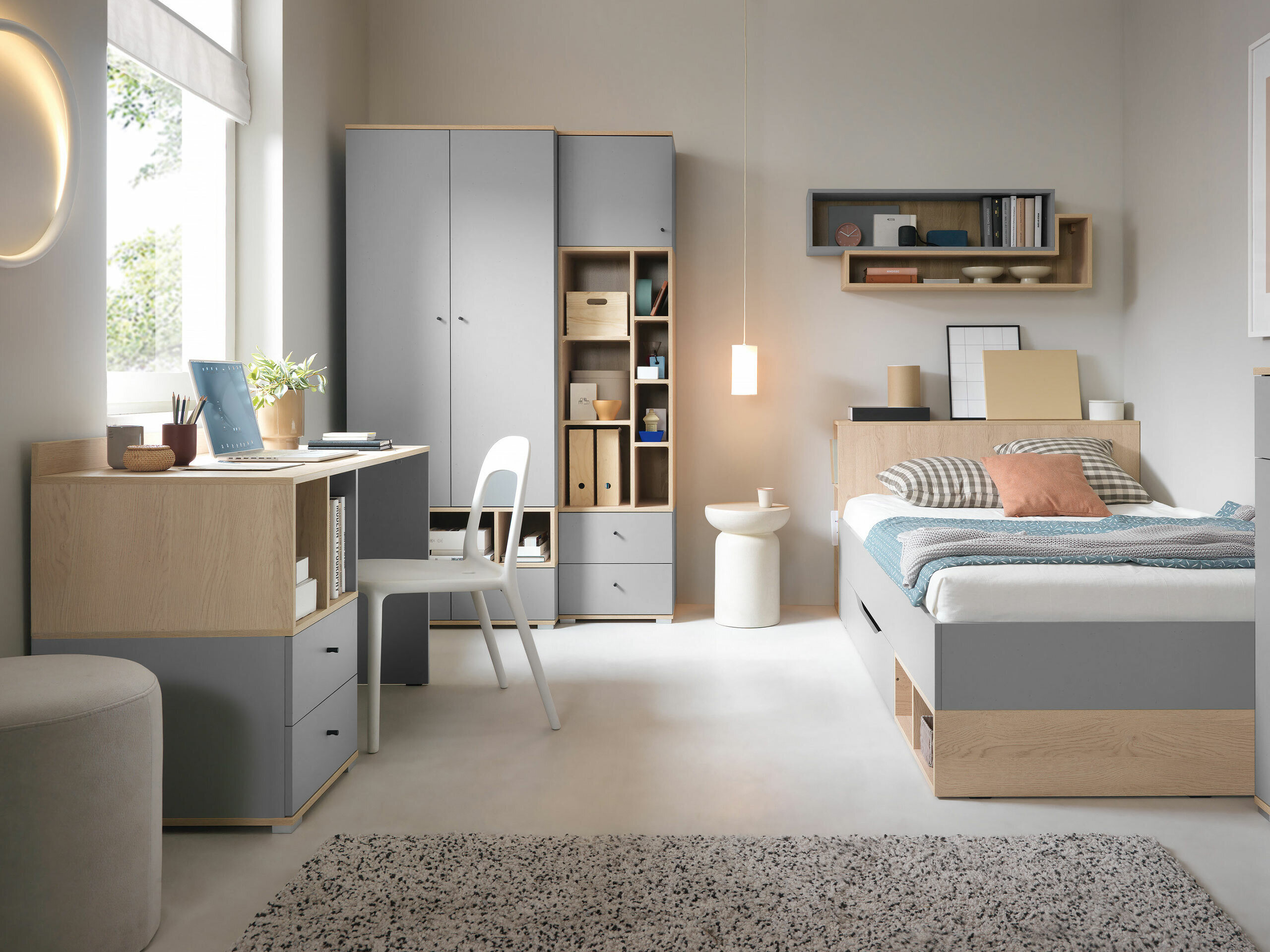
When it comes to sleeping areas, bunk beds are a practical choice, but children quickly outgrow them mentally as they begin to want a sleeping space that feels more grown-up. A much more long-term solution is to plan single beds that are 120–140 cm wide from the start.
View beds
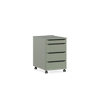
It is equally important to create a dedicated learning space for each child. Separate desks make it easier to meet individual study needs and prevent daily arguments. To maintain order, we recommend providing dedicated drawer units – either desks with built-in drawers or separate mobile pedestals that tuck neatly underneath.
View desks
Renovation without major investments
Refreshing a child's room does not require a large budget; targeted updates are often more than enough. We recommend starting with a clear-out of existing items. Children outgrow toys quickly, and keeping unused items only creates visual noise in a smaller room. Once the space is cleared, evaluate the remaining pieces. Sometimes a room feels completely refreshed simply by replacing a small play table with a proper desk, or by swapping a childish mat for a stylish new rug suited to an older child's taste.
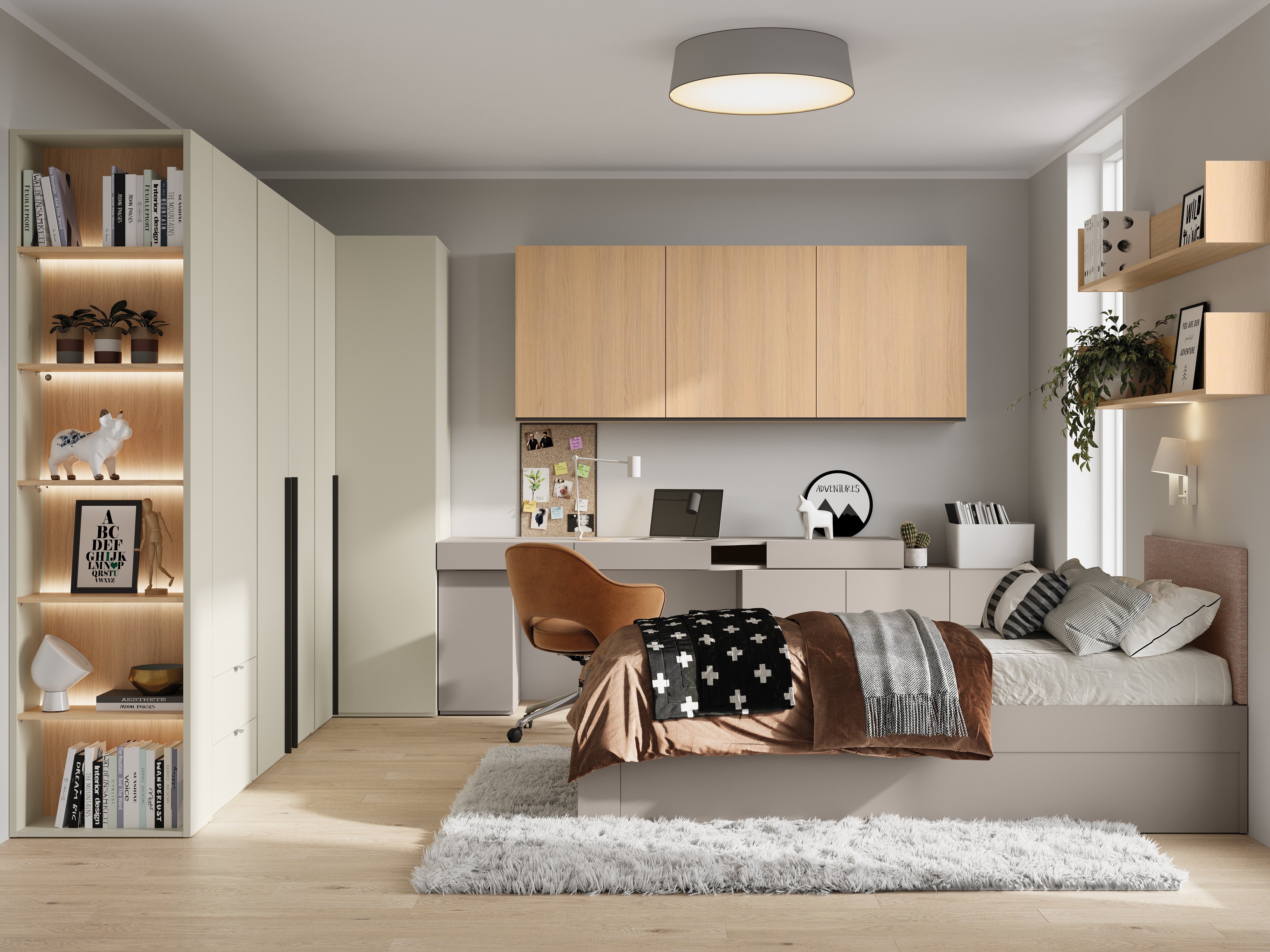
Another free way to transform a room is simply rearranging the furniture, allowing your child to express their individuality and take ownership of their layout. To make future rearrangements hassle-free, we advise planning additional electrical sockets and versatile lighting points in advance. This ensures that moving a desk or bed later on will not present technical issues.
Furnishing a child's room so that it does not require a complete overhaul every few years is a practical and financially smart approach. A neutral base combined with versatile furniture creates a space where creativity can flourish at every age.